Europe is accelerating its energy transition amid ongoing geopolitical tensions and volatile fossil fuel markets. This week, the European Commission unveiled “AccelerateEU”, a strategic initiative aimed at linking energy price relief measures to a faster rollout of renewables and a more electrified economy. In other words, energy affordability and energy transition must go hand in hand.
At WindEurope, held in Madrid from 21 to 23 April, electrification was identified as a strategic priority for both Spain and the European Union. Industry leaders emphasized that strengthening Europe’s electricity system is the only sustainable way to shield households and industry from fossil fuel price shocks.
Electrification as a Strategic Shield
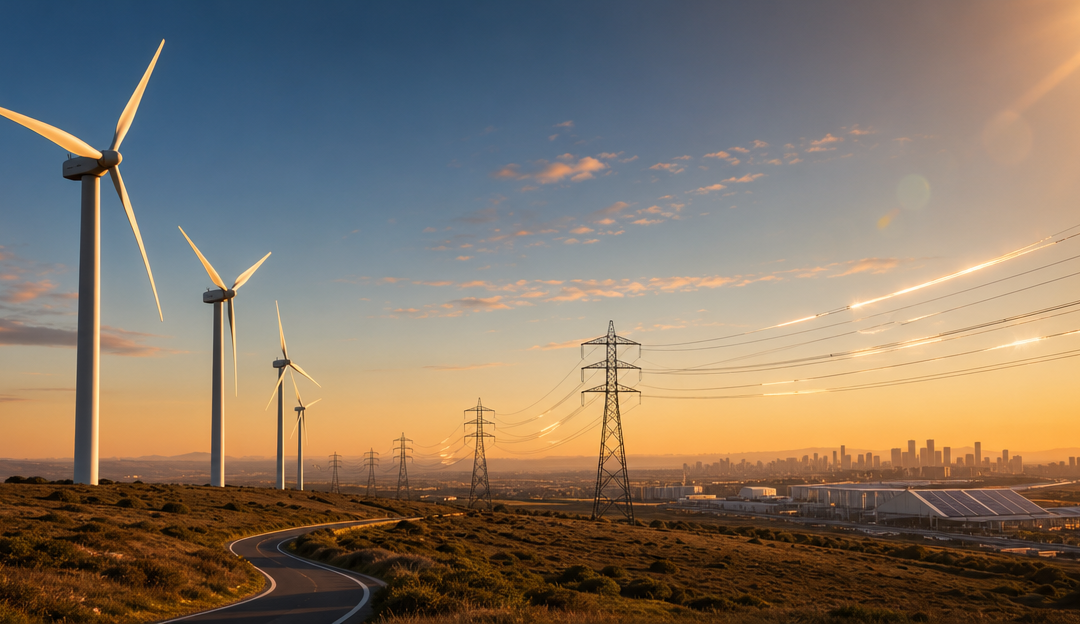
Recent geopolitical conflicts have once again exposed Europe’s heavy reliance on imported fossil fuels. In this context, wind energy plays a critical role in reducing import dependency, stabilizing prices and retaining industrial value within Europe. By generating power domestically, Europe not only enhances its energy security but also reinforces its manufacturing base and technological leadership.
As highlighted during the event, promoting electrification means boosting competitiveness and economic autonomy. Moving away from fossil-based energy carriers currently one of the largest sources of global economic instability is essential for ensuring Europe’s resilience and long-term prosperity.
Europe’s pathway toward electrification rests on three pillars: increasing renewable electricity supply, effectively connecting that supply to demand, and empowering consumers and industries to switch to electrified applications through simplified and cost-effective solutions.
AccelerateEU and the Role of Wind Repowering
The European Commission’s “AccelerateEU” plan responds directly to the current energy crisis. Its central premise is that any short-term energy price relief must be accompanied by a structural acceleration of renewable deployment and electrification. The objective is straightforward: make European-produced electricity the most affordable option.
Among the priority measures, the plan underscores the importance of repowering existing wind farms to rapidly increase renewable generation capacity. Repowering allows older turbines to be replaced with more efficient models, maximizing output while minimizing additional land use an increasingly relevant strategy as Europe scales up both onshore and offshore wind projects.
However, deployment speed remains a critical bottleneck. According to Juan Virgilio Márquez, CEO of the Spanish Wind Energy Association (AEE), “Energy security has become a strategic priority for Europe, and wind energy plays an essential role in that equation.” He stressed that while accelerating renewable deployment is imperative, administrative permitting processes remain the main obstacle.
“The processes must be more agile, predictable and better coordinated. It is not about reducing safeguards, but about improving system efficiency,” Márquez noted. Regulatory coherence and the application of the principle of overriding public interest to wind projects will be essential if Europe is to meet its energy and climate objectives.
Industrial Strength and Climate Alignment
Spain’s wind sector, represented by AEE, illustrates the scale of this opportunity. With more than 350 member companies and over 37,000 professionals employed, wind energy is already the country’s leading generation technology, covering 24% of electricity demand and representing 24% of installed capacity. Strengthening electrification strategies at both European and national levels would further consolidate this industrial ecosystem.
Beyond economic resilience, the acceleration of renewables directly supports Sustainable Development Goal 7 (Affordable and Clean Energy) and SDG 13 (Climate Action). By expanding wind generation and electrifying demand, Europe can simultaneously reduce emissions and shield consumers from fossil fuel volatility—an impact comparable to insulating millions of households from unpredictable global commodity markets.
Europe’s energy crossroads is becoming increasingly defined: electrify faster, deploy renewables at scale, and streamline regulation—or remain exposed to external shocks. The decisions taken today through initiatives like AccelerateEU will determine whether Europe leads the next phase of the global energy transition or struggles to keep pace.
Did you know we offer training related to this topic? If you are working in the wind sector or planning to enter the industry, our Basic Safety Training for wind professionals provides the essential skills required to operate safely in wind turbine environments and support the continued growth of renewable energy across Europe: https://totalhse.com/basic-safety-training/