SITE: a strategic tool for wind energy development in Spain
According to the International Energy Agency, wind power is now one of the fastest-growing renewable energy sources in the world. However, social acceptance remains one of its biggest challenges.
In this context, a new episode of “Ondas del Viento” aired on April 7th on Capital Radio. The program focused on the launch of the Territorial Intelligence System for Wind Energy (SITE), an exclusive strategic tool developed by AEE for its members.
What is SITE and why does it matter?
SITE is a territorial knowledge platform designed to support the processing and development of wind energy projects. It brings together key data for project permitting, strategic planning, and the anticipation of socio-economic challenges.
As a result, it helps companies make better decisions and reduce friction during project development. This is especially important now, as Spain is accelerating its renewable deployment, particularly in onshore wind.
Social and territorial challenges in renewable deployment
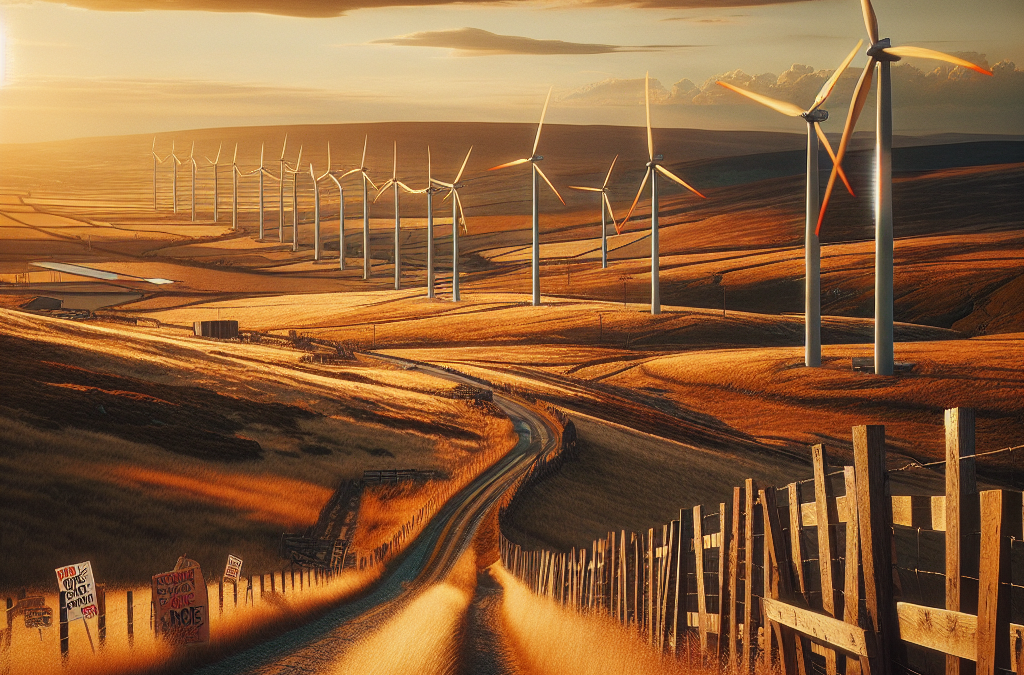
At the same time, social and territorial tensions have grown in regions such as Aragón, Galicia, and Catalonia. In these areas, local protests have raised concerns about limited citizen participation and planning misalignment.
Because of this, several business and regulatory analyses have warned that these conflicts may slow deployment. They could also put national energy transition targets at risk.
A tool for data and dialogue
In this scenario, SITE works not only as a data-driven tool but also as an open forum for dialogue. It allows stakeholders to raise concerns, start debates, and share different perspectives.
During the program, Heikki Willstedt, Director of Energy Policy and Climate Change at AEE, and Clara Jiménez, Territorial Development Advisor at AEE, shared a key idea: “understanding the territory is essential to ensuring that renewable expansion is both technically viable and socially legitimate.”
In other words, successful renewable development depends not only on technology, but also on trust, planning, and communication.
Why territorial intelligence is becoming essential
Their message reflects a broader trend across the sector. Today, even large-scale developments such as offshore wind farms and hybrid solutions linked to green hydrogen require early territorial analysis and community engagement.
Therefore, tools like SITE are becoming increasingly important. They help identify risks earlier, improve coordination, and support a more balanced energy transition.
SITE and its contribution to a fairer energy transition
By collecting local concerns, showing the diversity of views, and encouraging informed debate, SITE supports a fairer and more socially accepted energy transition.
This approach is especially valuable at a time when wind energy must grow quickly. At the same time, that growth must respect territorial balance and maintain community trust.
Supporting global sustainability goals
From a global perspective, initiatives like SITE also support important sustainability goals. On the one hand, they contribute to SDG 7 (Affordable and Clean Energy) by helping renewables grow in a more responsible way. On the other hand, they support SDG 13 (Climate Action) by making project implementation smoother and more effective.
Just as wind turbines turn natural wind into clean electricity, tools like SITE turn complex territorial data into informed climate action.
The future of wind energy depends on more than technology
As the energy transition accelerates, the key question is no longer only how much renewable capacity we can install. It is also about how well we integrate that capacity into the territories and communities that host it.
Perhaps the future of wind energy will depend as much on intelligent planning and dialogue as on turbine technology itself.
Training opportunities in the wind sector
Did you know we offer training courses related to this field?
If you work in the wind industry or want to build a career in this sector, you may be interested in: