Module
SE
SE (Seguridad en Elevadores)
Elevator Safety Training
Seguridad en Elevadores
SE (2 h)
Aim: The use of elevators is very common in the wind industry as they are an essential tool to access different sections of wind turbines and perform work at height. The Safety in Elevators course addresses in detail the importance of following safety procedures before and after each use, as well as the dangers associated with their use and how to prevent them. In addition, the necessary knowledge and skills are provided to use an elevator in a wind turbine safely and effectively.
PROGRAMME: Elevator Safety Training
1. Use of PPE for work at height and evacuation of elevators
2. Characteristics of the Wind Turbine Service Hoists
2.1 General, and specifications of each type, Security System and characteristics and classification
2.2 Common systems that make up the elevators
2.3 Identification of risk and danger signs in elevators
3. Specific check and safety guidelines for each type and model of lift
3.1 Visual inspection of the safety systems (rack-and-pinion elevators)
3.2 General inspection: cabin, rack, obstacles, etc.
3.3 Electromechanical closures (door switch, hatch switch)
3.4 Emergency stop (Internal and external Stop Button)
3.5 Limits of the race, rack detector
3.6 Gear Motor Safety Brakes
3.7 Emergency lowering (check centrifugal brakes)
3.8 Checking beta pins
3.9 Contingencies and possible solutions
4. Visual inspection of the safety systems (Sirgas lifts)
4.1 General inspection: doors, wire ropes, etc.
4.2 Electromechanical closures (door/hatch switch)
4.3 Emergency stop (Interior button and keypad)
4.4 Electromagnetic Brake (Safety Stops)
4.5 Manual and automatic use
4.6 Limit switches/emergency (Safety bars)
4.7 Fall Arrest Device: ASL-OLS and BSO
4.8 Peephole/Lock/Unlock
4.9 Overspeed Test and Device Check
4.10 Complementary tests: Stomp test and Handling test
4.11 Manual emergency lowering
4.12 Checking beta pins
4.13 Contingencies and possible solutions
5. Who can do maintenance and repairs
6. Regulatory frame of reference
7. Safety procedures in case of breakdown or emergency
7.1 Differences between breakdown and emergency situations
7.2 Potential breakdowns
7.3 Classification of different emergency situations
8. PPE to use and safety procedure in case of emergency
9. Adequate training for the following types of lifts
9.1 Avanti Mod.: Shark L02, SWP, Dolphin, Pegasus, Octopus
9.2 Goian
9.3 Jaso
9.4 Hailo
9.5 Wind Equipment
9.6 Tractel, Mod. SL4-S, Omega
9.7 Power Climber Sherpa
9.8 Skyman
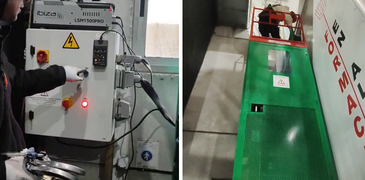
Module SE
Elevator Safety Training
Duration:1 day
Programme SE:Sections 1 to 11
Max. students:8 people per Edition
Prerequisites:None
Certificate Validity: 24 months
Headquarter
PREMIUM
Other centers in Spain
SELECT
SELECT
SELECT
Other centers
SELECT
SELECT
10. Adequate training for the following types of lifts:
10.1 Fixed guide lifts (Example: Ecolifts, Mac Puar MP QXT01)
10.2. Avanti Mod.: Shark L02, SWP, Dolphin, Pegasus, Octopus
10.3 Goian Lifts
10.4 Jaso
10.5 Hailo Models GlobalLift, TopLift, H-200, SL-L + Daily Check
10.6 Wind Equipment A300E, A300B, A400
10.7 Tractel, Mod. SL4-S, Omega
10.8 Power Climber Sherpa - RD3
10.9 Skyman
10.10 Goian GA25
11. Conclusions, Evaluation and registration of the training