Module
ECATEX

EC
Confined Spaces ATEX
Espacios Confinados ATEX
ECATEX (8 h)
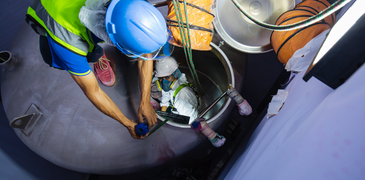
Aim: The Confined Spaces ATEX course provides you with the knowledge and skills about the standards, procedures and preventive measures necessary to access, stay and rescue in confined spaces, as well as the risks and preventive measures associated with the presence of Hazardous Atmospheres and biological agents. In addition, we will train you on the handling of specific equipment such as the tripod, the ERA and the rescue winch.
PROGRAMME: Confined Spaces ATEX
1. Introduction to the ATEX Environment
1.1 Basic Concepts of Explosive Atmospheres
1.2 Classification of Explosive Atmospheres
1.3 ATEX Zoning
1.4 Associated Risks and Ignition Sources
1.5 Initial Mitigation Measures
2. Regulatory and Legal Framework
2.1 ATEX Directives and Applicable Regulations
2.2 Risk Assessment and Zoning
2.3 Explosion Protection Document (EPD)
2.4 ATEX Protection Equipment and Systems
2.5 Spanish Legislation and Occupational Risk Prevention
3. Scope and Obligations of Companies
3.1 Scope of Application of ATEX
3.2 Employer Responsibilities
3.3 Coordination with Suppliers and Contractors
4. Risk Assessment and Management in ATEX Zones
4.1 RASE Method for Risk Management
4.2 Zoning of ATEX Areas
4.3 Preparation of the EPD
4.4 Updates and Document Management
5. Equipment and Systems in ATEX Areas
5.1 Classification and Categories of Equipment
5.2 Selection of Equipment for Explosive Atmospheres
5.3 Protection Systems: Design, Installation, and Maintenance
5.4 ATEX Certification and Marking
6. Prevention and Control of Ignition Sources
6.1 Control of Electrical Sources
6.2 Control of Mechanical and Thermal Sources
6.3 Prevention of Static Electricity
6.4 Ventilation in ATEX Zones
6.5 Explosion Containment and Mitigation
7. Training and Education
7.1 Training Requirements
7.2 Initial and Ongoing Training
7.3 Emergency Procedures and Drills
7.4 Effective Risk Communication and Prevention
8. Planning and Audits
8.1 Preventive Planning in ATEX Zones
8.2 Periodic Audits and Inspections
8.3 Mandatory Documentation and Records
8.4 Monitoring and Continuous Improvement
9. Case Studies and Simulations
9.1 Analysis of Real Accidents
9.2 Zoning Exercises
9.3 Selection and Labeling of ATEX Equipment
9.4 Incident Simulations and Emergency Response
Module ECATEX
Confined Spaces ATEX
Duration:1 day
Programme ECATEX:Sections 1 to 9
Max. students:12 people per Edition
Prerequisites:None
Certificate Validity: Permanent
Headquarter
PREMIUM
Other centers in Spain
SELECT
SELECT
SELECT
Other centers
SELECT
SELECT