Module
CSMED

CS (Confined Spaces)
Confined Spaces – Medium Risk
CS – Medium Risk
CSMED ()
Aim: To train participants to work safely in medium-risk confined spaces by identifying hazards and applying the appropriate preventive measures, equipment, and procedures.
PROGRAMME: Confined Spaces – Medium Risk
1. Introduction to Confined Spaces (Medium Risk)
1.1 General Objective and Scope
1.2 Criteria for Classifying Medium Risk
1.3 Types of Medium-Risk Confined Spaces
1.4 Common Tasks Involving Medium Risk
1.5 Operational Roles: Entrant, Watchperson, and Supervisor
2. Regulations, Responsibilities, and Preventive Documentation
2.1 Regulations Applicable to Confined Spaces (Spain and International Standards)
2.2 Responsibilities for Medium-Risk Work
2.3 Mandatory Preventive Documentation for Medium-Risk Work
2.4 Additional Documentation Requirements for Medium-Risk Work
3. Working Conditions and Personnel Requirements in Medium-Risk Confined Spaces
3.1 Minimum Working Conditions in Confined Spaces
3.2 Requirements for Personnel Involved in Medium-Risk Work
3.3 Additional Conditions for Specific Tasks
3.4 Criteria for Suspending Work
4. Hazards Present in Medium-Risk Confined Spaces
4.1 Atmospheric Hazards
4.2 Physical Hazards
4.3 Mechanical Hazards and Hazardous Energy
4.4 Ergonomic Hazards
4.5 Psychosocial Hazards
4.6 Hazards Arising from the Specific Activity
4.7 Organizational Hazards
4.8 Risk Assessment Criteria for Medium-Risk Levels
5. PPE and Access and Evacuation Equipment in Medium-Risk Confined Spaces
5.1 Personal Protective Equipment (PPE)
5.2 Access and Anchoring Equipment
5.3 Monitoring and Control Equipment
5.4 Ventilation Equipment
5.5 Rescue and Evacuation Equipment
5.6 Maintenance and Verification Requirements
5.7 Criteria for Selecting PPE and Equipment Based on Risk
6. Signage, Communications, and Entry Control in Medium-Risk Confined Spaces
6.1. Signage in Confined Spaces
6.2. Communications in Confined Spaces
6.3. Entry Control
6.4. Criteria for Shutdown Due to Failures in Signage, Communications, or Control
7. Atmospheric Monitoring in Medium-Risk Confined Spaces
7.1 Objectives of Atmospheric Monitoring
7.2 Critical Parameters to Be Measured
7.3 Types of Atmospheric Measurements
7.4 Requirements for Multigas Detectors
7.5 Atmosphere Acceptance Criteria
7.6 Actions to Take if the Atmosphere Is Hazardous
7.7 Atmospheric Changes During Work
7.8 Criteria for Halting Work Due to a Hazardous Atmosphere
7.9 Responsibilities for Atmosphere Control
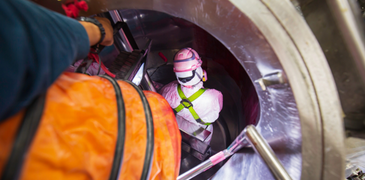
Module CSMED
Confined Spaces – Medium Risk
Duration:2 days
Programme CSMED:Sections 1 to 10
Max. students:12 people per Edition
Prerequisites:None
Certificate Validity: 24 months
Headquarter
PREMIUM
Other centers in Spain
SELECT
SELECT
SELECT
Other centers
SELECT
SELECT
8. Ventilation
8.1 Objectives of Ventilation
8.2 Types of Ventilation
8.3 Technical Requirements for Ventilation
8.4 Ventilation Procedure Before Entry
8.5 Ventilation During Work
8.6 Ventilation Failures: Criteria for Work Stoppage
8.7 Responsibilities for Ventilation
8.8 Best Practices for Ventilation
9. Work Permits and Lockout/Tagout Procedures in Medium-Risk Confined Spaces
9.1. Work Permits for Confined Spaces
9.2. Lockout/Tagout of Hazardous Energy Sources
9.3. Responsibilities for Work Permits and Lockout/Tagout
9.4. Criteria for Halting Work Due to Work Permit or Lockout/Tagout Failures
10. Emergencies in Medium-Risk Confined Spaces
10.1 Criteria for Declaring an Emergency
10.2 General Principles for Responding to Emergencies
10.3 Procedure for the Supervisor
10.4 Rescue Procedure for Medium-Risk Situations
10.5 Care in a Safe Area
10.6. Responsibilities During Emergencies
10.7. Minimum Equipment Requirements for Medium-Risk Emergencies
10.8. Criteria for Resuming Work After an Emergency
10.9. Emergency Reporting and Investigation