Module
CSLOW

CS (Confined Spaces)
Confined Spaces – Low Risk
CS – Low Risk
CSLOW (7 h)
Aim: To train participants to work safely in low-risk confined spaces by identifying hazards and applying the appropriate preventive measures, operational controls, and safe working procedures.
PROGRAMME: Confined Spaces – Low Risk
1. Introduction to Confined Spaces (Low Risk)
1.1 Objectives and Scope
1.2 Definition and Low-Risk Criteria
1.3 Types and Examples
1.4 Basic Roles (Entrant/Supervisor/Access Controller)
2. Regulations, Responsibilities, and Work Organisation
2.1 Obligations and Responsibilities
2.2 Hierarchy of Controls (Avoid Entry)
2.3 Safe Working Procedures
2.4 Stop Work Criteria (“Stop Work”)
3. Working Conditions and Personnel Requirements
3.1 Acceptable Environmental Conditions
3.2 Simple Access/Egress
3.3 Fitness for Work, Fatigue, and Breaks
3.4 Ergonomics and Physical Workload
4. Hazards Present in Confined Spaces (Low Risk)
4.1 General Hazards
4.2 Hazards Related to Typical Tasks
4.3 Indicators to Stop the Activity and Escalate the Level
5. PPE/CPE and Environmental Control
5.1 Basic PPE/CPE
5.2 Signage and Barriers
5.3 Communications and Lighting
6. Permit to Work and Operational Control
6.1 Permit to Work: Content, Validity, and Closure
6.2 Safety Briefing/Toolbox Talk and Checklist
6.3 Access Control and Entry/Exit Log
7. Emergencies (Low Risk)
7.1 Stop Work and Evacuation
7.2 Activation of External Assistance
7.3 Initial Response Actions (Without Technical Rescue)
8. Practical Exercises and Assessment
8.1 Set-Up of the Access Control Point: Signage, Barriers, Checklist, and Communications
8.2 Permit to Work (PTW) Simulation: Pre-Job Briefing, Verification of Conditions, and Document Control
8.3 Safe Entry and Exit (Simple Access Scenario): Procedural Discipline and Communication with the Outside
8.4 “Stop Work” Simulation: Detection of Deviation/Unsafe Condition and Orderly Stop
8.5 Practical Assessment: Observation of Safe Work Sequence + Theoretical Assessment
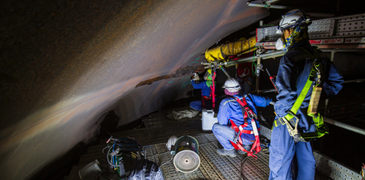
Module CSLOW
Confined Spaces – Low Risk
Duration:1 day
Programme CSLOW:Sections 1 to 8
Max. students:12 people per Edition
Prerequisites:None
Certificate Validity: 24 months
Headquarter
PREMIUM
Other centers in Spain
SELECT
SELECT
SELECT
Other centers
SELECT
SELECT