Module
BTTI-E


BTT (Basic Technical Training)
Installation Electrical
BTT Installation Electrical
BTTI-E (12 h 25 min)
Aim: Upon completion of the GWO Basic Technical Training (Installation Electrical) module, participants will possess an awareness of the hazards encountered when working with installation electrical systems, and how to control and mitigate these hazards, preparing candidates for working both on and offshore in the wind power industry.
PROGRAMME: Installation Electrical
1. Introduction
2. Introduction to Installation
2.1 Installation overview
2.2 Why installation safety?
2.3 Safety signs
2.4 Types of PPE
2.5 The importance of appropriate isolation
3. General procedures for working onsite with installation
3.1 Checklists, work instructions, etc.
3.2 Housekeeping
4. Installation environments
4.1 Installation environments
5. Handling and storing
5.1 Risks and hazards associated with handling and storing
5.2 Reception/Inspection
5.3 Tools and equipment
6. Lifting operations
6.1 Risks and hazards associated with lifting operations
7. Main component preparation, pre-assembly and assembly
7.1 Preparation, pre-assembly and assembly
8. Principles of electrical completion including cable work
8.1 Introduction to electrical completion
8.2 Examples of electrical completion
8.3 Risks and hazards associated with handling and working with cables
8.4 Different types of cables
8.5 Simple installation diagrams
8.6 Cutting and crimping cables
8.7 Marking, routing and termination of all cable types
9. Principles of hydraulic completion
9.1 Introduction to hydraulic completion
9.2 Examples of hydraulic completion
9.3 Risks and hazards associated with hydraulic completion
10. Principles of operation with external generators
10.1 Principles of yaw, rotor and blade operation with external generator
10.2 Risks and hazards associated with the operation of auxiliary systems with an external generator
10.3 Preconditions for the operation of a lift with an external generator
10.4 Preconditions for the operation of an internal crane with an external generator
10.5 Use of external generators for other auxiliary uses
11. Introduction to handover to the commissioning
11.1 Handover to commissioning
11.2 Risks and hazards associated with handing over to the commissioning
12. Summary and theoretical test
12.1 Summary
12.2 Theoretical test
13. Training review
13.1 Training review
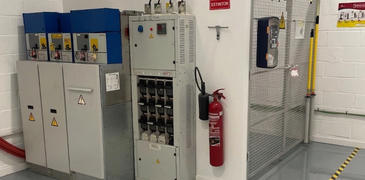
Module BTTI-E
Installation Electrical
Duration:1 day
Programme BTTI-E:Sections 1 to 13
Max. students:12 people per Edition
Prerequisites:None
Certificate Validity: Permanent if actively working in a wind turbine environment
Headquarter
PREMIUM
Other centers in Spain
SELECT
SELECT
SELECT
Other centers
SELECT
SELECT