Module
aREC2

aelec
Electrical Risk C1 + C2
aelēc Electrical Risk C1 + C2
aREC2 (22 h)
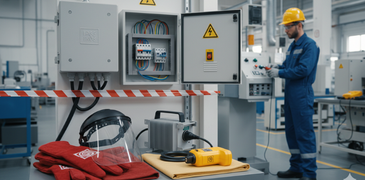
Aim: To train professionals who carry out electrical work in low, medium, and high voltage installations to perform their work in accordance with regulatory procedures and with full control of electrical risks. The course delves into the creation of safe work areas, the practical application of the 5 Golden Rules, and the correct use of PPE and CPE in more technically complex environments.
PROGRAMME: Electrical Risk C1 + C2
1. Overview of Electrical Hazards
1.1 General Aspects of Electrical Installations
1.2 Royal Decree 614/2001: Art. 4. Work Techniques and Procedures
1.3 Types of Electrical Accidents
1.4 Electrical Installations
1.5 General Provisions for Electrical Work
2. Electrical work
2.1 Specific provisions for electrical work
3. Work in environments where hazardous atmospheres may be present.
3.1 Classification of areas
3.2 Equipment for detecting, measuring, and controlling hazardous atmospheres
3.3 Protective measures against electrical hazards
4. Basic definitions
5. Classification of workers as “Authorized” or “Qualified” based on their electrical duties or competencies
6. Electrical hazards according to Royal Decree 614/2001, causes
7. Effects of electric current on the human body
8. Low-voltage (LV) electrical work
8.1 Types of Installations
8.2 Main Components of Installations and Their Identification
8.3 Preventive Measures Against Electrical Hazards in Low Voltage (LV)
9. Low Voltage (LV) Installations
10. “Discharges” in Low Voltage (LV)
11. Five Golden Rules in Low Voltage (LV)
12. Common PPE and CPE for low-voltage (LV) work: when and how to use them
13. Most Common Hazards in Low-Voltage (LV) Work and Typical Accidents
13.1 Work on De-energized Circuits
13.2 Work on De-energized Systems
13.3 De-energization. Safety Requirements for Applying the Five Golden Rules in a Protected Area
13.4 Safety conditions for applying the five Golden Rules in a work area.
13.5 Discharges
13.6 Work in the proximity zone.
13.7 Measurements, tests, and verifications
13.8 Switching operations
13.9 Work in areas where hazardous atmospheres may be present
14. Practical Training (4 hours) Practical exercises to be performed
14.1 Practical exercises in operating and identifying safety equipment and measures
14.2 De-energizing and re-energizing low-voltage (LV) systems
14.3 Measurements, tests, verifications, and local operations on low-voltage (LV) systems
14.4 Preparation and execution of work in proximity to live low-voltage (LV) components
14.5 Establishment of a safe work zone in a protective enclosure and in a low-voltage (LV) switchgear
14.6 Actions to be taken
15. Electrical Work on Medium-Voltage/High-Voltage (MV/HV) Systems
15.1 Major Electrical Hazards in Medium-Voltage Installations (power lines, transformers) and Their Identification
15.2 CCMs: Main Components of Electrical Substations and Their Identification
15.3 Five Rules for Work on Power Lines, Transformers, and Substations
15.4 Grounding on overhead line supports. Special situation
15.5 Most common risks in work on lines, CTs, and substations
16. Practical exercise to be completed by the student.
16.1 Establishing a safe work zone on a support.
16.2 Actions to be taken
Module aREC2
Electrical Risk C1 + C2
Duration:3 days
Programme aREC2:Sections 1 to 16
Max. students:12 people per Edition
Prerequisites:None
Certificate Validity: 3 years
Headquarter
PREMIUM
Other centers in Spain
SELECT
SELECT
SELECT
Other centers
SELECT
SELECT